Septic Systems Built to Last Decades
Complete septic system installation and replacement services in Hanford, California for residential and commercial properties.
If you own property in Hanford and your septic system has failed or you need one installed for new construction, you are dealing with more than plumbing. The soil conditions and lot layouts throughout Hanford require excavation work that accounts for depth, drainage, and distance from wells or structures. Patee's Backhoe Service handles the full scope of installation and replacement, from clearing the site to placing the tank and building out the leach field based on your property's specific conditions.
The process begins with site evaluation to determine where the tank and drain lines will perform correctly over time. Excavation is completed with equipment suited to working around existing utilities, driveways, and landscaping. Tank placement follows local code and inspection standards, and the leach field is constructed to match soil absorption rates and property usage. If you are replacing a system that no longer meets current requirements or has collapsed, the old components are removed before new installation begins. This work is necessary for aging homes, properties being developed, and commercial buildings that require higher capacity systems.
Reach out to Patee's Backhoe Service to schedule a site visit and review your options for septic installation or replacement in Hanford.
What Happens During a Full System Installation
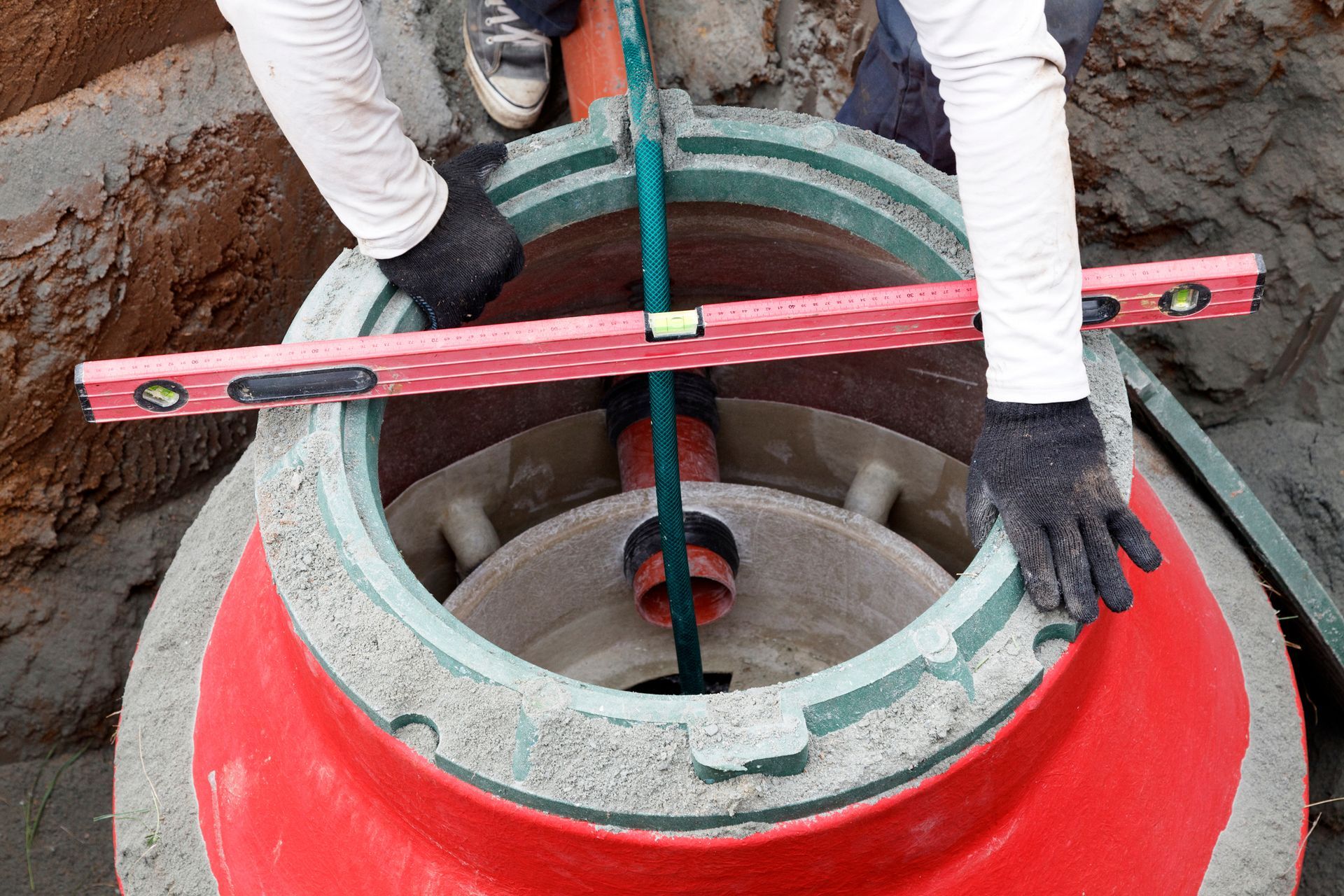
Your project in Hanford starts with excavation of the area where the septic tank and leach field will sit. The excavator removes soil to the required depth, creates a stable base for the tank, and runs trenches for the drain lines that carry wastewater away from your home or building. The tank is lowered into place, leveled, and connected to the inlet and outlet pipes. Leach field lines are laid in gravel-filled trenches and spaced according to the soil's ability to absorb and filter water.
Once the system is installed, you will notice that wastewater drains normally from sinks, toilets, and showers without backup or slow drainage. The system operates quietly below ground and requires no daily interaction. Proper installation supports decades of use when combined with routine pumping and maintenance.
The work includes coordination with inspections at key stages to confirm compliance with local codes. Backfill is compacted carefully to avoid future settling, and the site is graded to prevent water from pooling near the tank or drain field. The project timeline depends on soil conditions, access, and whether you are replacing an existing system or starting fresh on undeveloped land.
You probably have a few things you want to know first
Most people booking septic work want to understand what the project involves before committing to a date. These questions cover the details that come up most often during planning.
If your property needs a new septic system or your current one has stopped working, contact Patee's Backhoe Service to review your site conditions and discuss what the installation will involve.